Harnessing AI for Effective Content Marketing Strategies
October 27, 2024
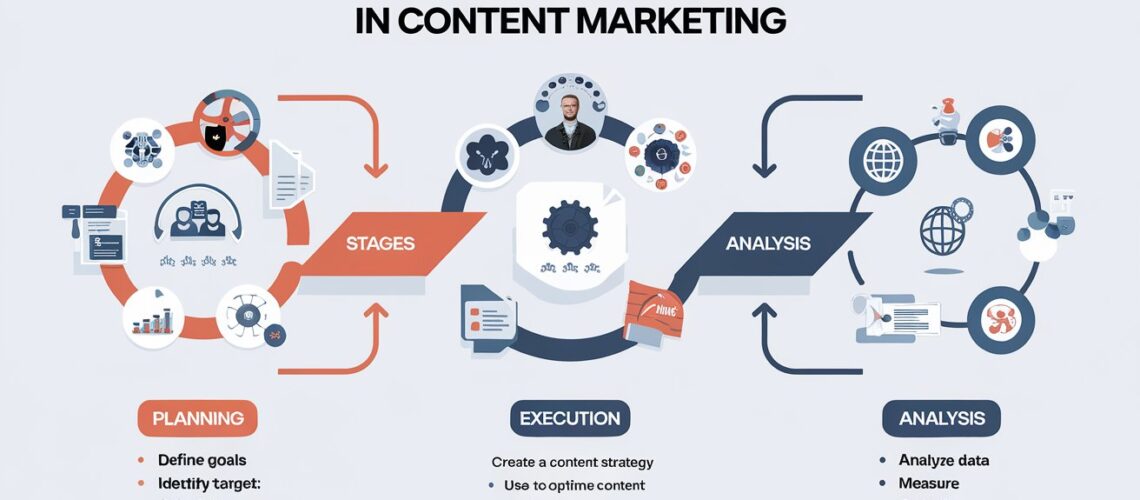
In today’s fast-paced digital landscape, leveraging AI in content marketing strategies is no longer optional but essential. This blog explores how AI can streamline content creation, optimize keyword research, and enhance competitor analysis, providing you with the tools to elevate your marketing game.
Table of Contents
- Introduction to AI in Content Marketing
- History of AI Power Mode at Story Chief
- Challenges of Generative AI in Content Creation
- Key Features of Story Chief’s AI Power Mode
- Practical Implementation: Generating Content Strategies
- Keyword Research and Competitor Analysis
- How to Use AI to Write Engaging Blog Articles
- Utilizing AI for Social Media Posts
- Future Developments: Recommendation Boards
- Conclusion and Call to Action
- FAQ
- Further Reading
Introduction to AI in Content Marketing
AI has revolutionized the way businesses approach content marketing strategies. By automating routine tasks and generating insights, AI tools enable marketers to focus on creativity and engagement. These technologies are not just about efficiency; they also enhance personalization, allowing brands to connect more deeply with their audiences.
Incorporating AI into your content marketing strategy can lead to improved performance across various metrics, including engagement rates and lead generation. AI systems can analyze vast amounts of data, identifying trends and preferences that inform content creation.

The Role of AI in Personalization
One of the most significant advantages of using AI in content marketing is its ability to personalize content. By analyzing user behavior, preferences, and demographic data, AI can suggest tailored content that resonates with specific audience segments. This level of personalization increases the likelihood of engagement and conversion.
Efficiency in Content Creation
AI-driven tools can streamline the content creation process. From generating topic ideas to drafting articles, AI can significantly reduce the time spent on these tasks. According to a recent survey, 60% of marketers reported saving up to 30 hours per month by using AI tools for content creation. These tools help them brainstorm ideas, draft initial content, and even edit existing posts more efficiently.
This efficiency allows marketers to produce more content without sacrificing quality, enabling them to keep pace with the demands of digital marketing.
History of AI Power Mode at Story Chief
Story Chief launched its AI Power Mode in December 2022, soon after ChatGPT’s release. The goal was to use AI to help marketers create better content quickly, while also tackling the unique challenges they face.
At first, the tool focused on making the AI-generated content sound natural and engaging. Over time, as people got used to AI-created content, the focus shifted toward ensuring the content feels authentic and matches both user and search engine expectations.

Evolution of AI Challenges
As AI improved, new challenges came up. Marketers now need to make sure AI-created content feels personal and connects with the audience. This means focusing more on customizing content for different groups of people.
Security and Compliance Considerations
Data privacy is a big concern, and Story Chief takes this seriously. The platform makes sure no personal information is saved, following strict GDPR rules. This focus on security helps users trust the AI tools without worrying about their data being at risk.
Common Challenges of Generative AI in Marketing
Generative AI: AI tools that create text, images, or other content.
While AI is helpful, it comes with challenges. One big problem is that AI can sometimes create content that feels generic or too predictable. As readers get more selective, marketers need to focus on creating unique and original content to keep their audience interested.
Moreover, the ability of search engines to identify AI-generated content raises concerns about visibility and ranking. Marketers must find ways to ensure that their AI-generated content is optimized for search engines while still being engaging for readers.
Maintaining Authenticity
As AI continues to grow, maintaining authenticity in content becomes crucial. Marketers need to ensure that AI-generated articles reflect their brand voice and values. This may require manual editing and refinement to achieve the desired tone and style.
Adapting to Audience Expectations
With the proliferation of AI-generated content, audiences have learned to recognize it. As a result, marketers must adapt their strategies to meet heightened expectations for quality and relevance. For example, a fashion brand using AI to write blog posts might notice their audience expects a more personalized touch in product descriptions. To meet this need, the brand can use AI to generate the first draft and then have a writer customize it with the unique style, history, and tone that appeals to their audience. This challenge requires continuous monitoring of audience feedback and trends to adjust content approaches accordingly.
Key Features of Story Chief’s AI Power Mode
Story Chief‘s AI Power Mode offers several key features that enhance content marketing strategies. One standout feature is its ability to generate personalized content strategies based on user input.
Case Study Example: Jane, a marketing manager at a small tech startup, used Story Chief’s AI Power Mode to plan her company’s content for an entire quarter. By inputting basic information about the company’s target audience, the AI generated a detailed content strategy in minutes. This allowed Jane to focus on refining the messaging rather than spending hours researching and planning. As a result, her team was able to produce more high-quality content and saw a 25% increase in organic traffic over three months.
By extracting key information about a business, the AI creates tailored content plans that resonate with specific audiences.
Another important feature is the seamless integration of AI into the content creation process. Users can easily generate text within the Story Chief editor, eliminating the need for cumbersome copying and pasting. This streamlined workflow enhances productivity and encourages creativity.
Story Chief’s AI Power Mode adheres to GDPR guidelines, ensuring user data privacy and security—a priority for companies looking to use AI responsibly in their marketing strategies. You can rest assured that your data is handled properly and securely with Story Chief.
Note: While AI tools can suggest compelling content ideas, it’s crucial to review and refine them to fit your brand’s unique voice and style. AI might generate content that appears formulaic, requiring a human touch to maintain authenticity. Always, I repeat, Always review the content from AI tools before publishing the same to broader platforms.

Content Strategy Generation
The AI Power Mode allows users to generate comprehensive content strategies by analyzing competitor content and industry trends. This feature ensures that the generated content is not only relevant but also optimized for search engines.
Continuous Improvement and Updates
Story Chief constantly improves its AI tools. They update their technology often to make sure marketers get the best possible results. This commitment means you always have access to the latest tools that can boost your content.
Practical Implementation: Generating Content Strategies
Implementing AI in content marketing strategies involves a systematic approach. Here’s a step-by-step process to get started:
- Step 1: Define Your Marketing Goals: Begin by clearly outlining what you want to achieve—whether it’s increasing website traffic, boosting engagement, or improving lead generation. This will guide the AI to create content aligned with your goals.
- Step 2: Identify Your Target Audience: Use AI to analyze your current audience data. AI tools like Google Analytics can help you understand audience demographics and behavior. Use this information to segment your audience.
- Step 3: Input Data into AI Tools: Feed relevant business information, audience details, and content goals into your AI tool (like Story Chief’s AI Power Mode). The AI will generate content strategy suggestions, including topic ideas, timelines, and content types.
- Step 4: Review and Refine the Strategy: Once the AI suggests a content strategy, review it to ensure it aligns with your brand voice and messaging. You can tweak the strategy manually to fit specific campaign needs.
- Step 5: Monitor Performance and Optimize: After publishing, use AI tools to track how well your content performs. Regularly refine your strategy based on what’s working best.
Next, businesses can utilize Story Chief‘s AI Power Mode to create personalized content strategies. By inputting essential information about the brand, the AI can generate tailored content calendars that align with marketing objectives.
Leveraging Data for Content Ideas
AI can analyze data from various sources to generate content ideas that resonate with target audiences. By examining competitor content and industry trends, marketers can identify gaps and opportunities for unique content creation.
Iterative Content Generation
Content generation should be an iterative process. Marketers can generate content ideas, publish them, and then analyze performance metrics to refine future strategies. This approach ensures that content remains relevant and aligned with audience preferences.
Keyword Research and Competitor Analysis
Effective keyword research is a cornerstone of successful content marketing strategies. AI tools can assist marketers in identifying high-ranking keywords that align with their content goals. By analyzing search trends and user behavior, AI can provide insights into which keywords will drive traffic and engagement.
Actionable Tips:
- Use AI for Long-Tail Keywords: Start by focusing on long-tail keywords with lower competition. AI tools like SEMrush or Ahrefs can help you find these terms based on your niche.
- Track Keyword Trends: Use AI tools to monitor keyword performance over time. If you notice a keyword’s search volume is increasing, adjust your content strategy to capitalize on that trend.
- Analyze Competitor Content: Use AI to scan competitor blogs or websites to identify keywords they’re targeting. This can help you find gaps in your own strategy and differentiate your content.
In addition to keyword research, competitor analysis is crucial. Understanding what competitors are doing allows marketers to differentiate their content and identify opportunities for improvement. AI can streamline this process by analyzing competitor content and extracting key insights.
Utilizing AI for Keyword Insights
AI-driven keyword research tools can provide a wealth of information, including search volume, competition level, and related keywords. This data empowers marketers to make informed decisions about which keywords to target in their content.
Competitive Content Analysis
Analyzing competitor content helps marketers understand what resonates with audiences. By identifying successful content strategies employed by competitors, marketers can adapt their approaches to capture similar engagement. AI tools can automate this analysis, saving time and providing actionable insights.
How to Use AI to Write Engaging Blog Articles
Creating engaging blog articles is crucial for capturing and retaining audience attention. A well-structured blog post not only informs but also connects with readers on a personal level. Here’s how you can use AI to enhance your blog posts:
Detailed Instructions:
- Step 1: Use AI for Topic Research: Tools like Frase or MarketMuse can help you find trending topics within your niche. You can input a few keywords related to your industry, and the AI will suggest topic ideas based on audience interest and SEO value.
- Step 2: Draft Your First Outline: After choosing a topic, use AI to create an outline. Tools like Jasper AI can generate a basic structure for your article, including headings and subheadings.
- Step 3: Enhance Your Introduction: AI can also help refine your introduction. Paste your first draft into an AI tool to get suggestions on making the intro more engaging by adding a hook or emotional appeal.
- Step 4: Use AI for SEO Optimization: Tools like Clearscope or Surfer SEO can suggest additional keywords or related topics to include in your blog to improve its search engine ranking.
- Step 5: Proofread and Personalize: AI can help catch grammar mistakes or suggest style improvements. However, always add a human touch to make the blog feel more personal and aligned with your brand.
Start with a compelling introduction that hooks the reader. Use AI to help generate topic ideas that resonate with current trends and audience interests. This ensures your content remains relevant and engaging.
Incorporating AI for Improvement
AI tools can assist in enhancing existing blog content. For example, if a topic like climate change is relevant, you can prompt AI to add a paragraph seamlessly into an ongoing article. This not only enriches the content but also aligns with SEO practices by covering diverse subjects that Google favors.
Moreover, using AI to generate summaries or meta descriptions can save time while ensuring that your posts are optimized for search engines. The key is to maintain a balance between AI assistance and human touch for authenticity.
Utilizing AI for Social Media Posts
Social media is a great way to share your content. AI makes it easier to create social media posts by quickly turning blog content into something you can share on different platforms. This keeps your messaging consistent and saves time.
When generating social media content, start with the main points from your blog. Use AI to create multiple versions of posts tailored for different platforms, adjusting tone and length as needed. This versatility helps in catering to the unique audiences present on each social media channel.
Tool Recommendations:
- Hootsuite: Use Hootsuite’s AI-powered scheduler to optimize posting times and auto-generate captions for different platforms.
- Lately AI: This tool can convert long-form content (like blogs or videos) into bite-sized social media posts, ensuring that your content stays consistent across multiple platforms.
- Canva: Canva’s AI feature helps you generate social media images quickly. It suggests designs and elements based on the text you provide, making your content visually appealing.
Optimizing for Different Platforms
Each social media platform has its nuances. LinkedIn, for example, requires a more professional tone, while platforms like Instagram benefit from visual content and a casual approach. By utilizing AI, you can easily tweak the tone and style of your posts to match the platform’s expectations.
Additionally, incorporating calls to action and engaging visuals can significantly enhance audience interaction. AI can suggest relevant hashtags and image ideas to further boost visibility and engagement.
Future Developments: Recommendation Boards
Looking ahead, the introduction of recommendation boards will revolutionize content marketing strategies. These boards will analyze your content performance and suggest actionable steps based on data insights. By focusing on high-impact tasks, marketers can optimize their content more effectively.
For instance, if certain articles are underperforming, the recommendation board can suggest updates or new topics that align with audience interests. This proactive approach saves time and enhances the overall effectiveness of your content strategy.

Integrating Data for Better Decisions
Connecting tools like Google Search Console to your content platform will provide valuable insights into how your content is performing. This data-driven approach allows AI to offer tailored recommendations that maximize traffic and engagement.
By continually refining your content based on performance metrics, you can stay ahead of trends and audience expectations. This cycle of analysis and adaptation is essential for modern content marketing success.
Conclusion and Call to Action
Incorporating AI into your content marketing strategies is no longer just an option; it’s a necessity for staying competitive. From creating engaging blog articles to optimizing social media posts, AI can significantly enhance your marketing efforts.
Don’t wait to explore the potential of AI in your marketing strategy. Reach out today to learn more about how these tools can transform your content creation process and drive results.
FAQ
How can AI improve my content marketing strategies?
AI can streamline content creation, provide insights for SEO optimization, and help tailor content for specific audiences, enhancing both efficiency and engagement.
How can I make sure AI-generated content aligns with my brand’s voice?
To ensure AI-generated content matches your brand’s voice, start by creating clear content guidelines that outline tone, style, and messaging. Use AI to generate the first draft, but review and refine the content manually to keep it aligned with your brand.
Is AI-generated content considered authentic?
AI-generated content can be authentic if it reflects your brand voice and values. It’s important to refine AI outputs to ensure they resonate with your audience.
What are recommendation boards?
Recommendation boards are tools that analyze your content performance and suggest actionable insights to improve future content strategies, maximizing impact and engagement.
Further Reading
- Unleash Game-Changing Content Marketing Strategies with StoryChief.io
- Powerful Content Audit Tool to Maximize Your Content Strategy
PS: Have insights to add or questions about using AI in content marketing? Share your thoughts in the comments below. Your feedback helps us create even more valuable content.